Pediatric Gastroenterologist in Vizag
Children can experience digestive problems at every stage of childhood, from feeding difficulties and reflux in infants to abdominal pain, constipation, diarrhea, food allergies, and liver disorders in older children. While many digestive complaints are temporary, persistent or recurring symptoms may require evaluation by a specialist.
A pediatric gastroenterologist in Vizag specializes in digestive, nutritional, and liver-related conditions affecting babies, children, and adolescents. Choosing the right specialist is important when symptoms interfere with a child’s nutrition, growth, daily activities, or overall well-being.
Motherly Women & Children Hospital in Visakhapatnam provides comprehensive pediatric healthcare, including pediatric subspecialty services, pediatric surgery, neonatology, PICU care, and diagnostic support. Its published pediatric services include management of gastrointestinal conditions and pediatric surgical care.
What Does a Pediatric Gastroenterologist Do?
A pediatric gastroenterologist in Vizag focuses specifically on conditions involving the digestive system in children.
The digestive system includes:
- Esophagus
- Stomach
- Small intestine
- Large intestine
- Rectum
- Liver
- Gallbladder
- Pancreas
Children have different nutritional, developmental, and physiological needs from adults. Pediatric digestive specialists therefore consider the child’s age, growth, diet, development, and medical history when evaluating symptoms.
A specialist may diagnose and manage problems such as chronic constipation, recurrent abdominal pain, persistent diarrhea, vomiting, reflux, food allergies, malabsorption, inflammatory bowel conditions, and liver disorders.
When Should Your Child See a Pediatric Gastroenterologist?
Not every stomach ache requires specialist consultation. However, parents should consider seeking medical evaluation when digestive symptoms are persistent, severe, recurrent, or associated with poor growth.
You may need a pediatric gastroenterologist in Vizag if your child experiences:
- Frequent or persistent abdominal pain
- Chronic constipation
- Recurrent diarrhea
- Blood in the stool
- Persistent vomiting
- Difficulty swallowing
- Repeated acid reflux
- Poor appetite
- Feeding difficulties
- Poor weight gain
- Unexplained weight loss
- Abdominal swelling
- Food intolerance or suspected food allergy
- Persistent jaundice
- Abnormal liver tests
- Growth concerns
Early evaluation can help identify the underlying cause instead of repeatedly treating symptoms without understanding why they occur.
Common Conditions Treated by a Pediatric Gastroenterologist
1. Chronic Constipation
Constipation is one of the most common digestive problems in children.
A child may be constipated when bowel movements become difficult, painful, or unusually infrequent. Some children may avoid using the toilet because previous bowel movements were painful, which can make the problem worse.
Symptoms may include:
- Hard stools
- Pain during bowel movements
- Abdominal discomfort
- Bloating
- Stool withholding
- Reduced appetite
- Soiling of underwear
Treatment depends on the child’s age and the underlying cause. It may include dietary changes, increased fluids, behavioral strategies, and medicines when recommended by a doctor.
2. Gastroesophageal Reflux
Reflux occurs when stomach contents move back toward the esophagus.
Mild reflux can be common in babies. However, persistent symptoms that interfere with feeding, sleep, growth, or comfort may require medical assessment.
Parents may notice:
- Frequent spit-up
- Irritability during feeding
- Refusal to feed
- Coughing
- Poor weight gain
- Difficulty sleeping
A pediatrician or pediatric gastroenterologist can determine whether the symptoms are normal for the child’s age or require treatment.
3. Chronic Diarrhea
Occasional diarrhea is common in children, particularly during infections. Persistent or recurrent diarrhea is different and may require further evaluation.
Long-term diarrhea can potentially lead to:
- Dehydration
- Nutritional deficiencies
- Poor weight gain
- Poor growth
Possible causes vary considerably, so treatment should be based on proper diagnosis.
4. Recurrent Abdominal Pain
Abdominal pain is common during childhood, but repeated pain should not automatically be dismissed as “gas” or a minor stomach problem.
A specialist may evaluate:
- Pain location
- Duration
- Frequency
- Relationship to meals
- Bowel habits
- Weight changes
- Associated symptoms
Depending on the child’s symptoms, investigations may be recommended.
5. Food Allergies and Intolerances
Some children develop digestive symptoms after eating specific foods.
Possible symptoms include:
- Abdominal pain
- Vomiting
- Diarrhea
- Bloating
- Skin reactions
- Feeding difficulties
Food allergies and intolerances are not the same thing, and unnecessary food restrictions can sometimes lead to nutritional deficiencies. Professional evaluation is important before eliminating major food groups from a child’s diet.
6. Feeding Difficulties
Infants and young children may experience difficulties with feeding.
These may include:
- Refusal to eat
- Difficulty swallowing
- Frequent vomiting
- Poor appetite
- Difficulty transitioning to solid foods
- Poor weight gain
A specialist can determine whether feeding problems are behavioral, nutritional, gastrointestinal, or related to another medical condition.
7. Poor Weight Gain and Growth Problems
Growth is an important indicator of a child’s health.
If a child consistently fails to gain weight or height as expected, digestive problems may sometimes be involved.
Possible causes can include:
- Inadequate calorie intake
- Malabsorption
- Food allergies
- Chronic gastrointestinal disease
- Hormonal conditions
- Chronic infections
A pediatric gastroenterology evaluation can help determine whether the digestive system is contributing to the growth concern.
8. Celiac Disease
Celiac disease is an immune-mediated condition triggered by gluten in genetically susceptible individuals.
Symptoms may include:
- Chronic diarrhea
- Abdominal pain
- Bloating
- Poor weight gain
- Fatigue
- Nutritional deficiencies
Diagnosis generally requires appropriate medical testing. Parents should not begin a gluten-free diet before consulting a doctor if celiac disease is suspected, because eliminating gluten can affect the accuracy of diagnostic testing.
9. Inflammatory Bowel Disease
Inflammatory bowel disease, including Crohn’s disease and ulcerative colitis, can occur in children and adolescents.
Possible symptoms include:
- Persistent diarrhea
- Blood in stool
- Abdominal pain
- Weight loss
- Fatigue
- Poor growth
These conditions require specialist evaluation and long-term management.
10. Pediatric Liver Disorders
Pediatric gastroenterology also includes the diagnosis and management of certain liver conditions.
Warning signs may include:
- Yellowing of the skin or eyes
- Dark urine
- Pale stools
- Abdominal swelling
- Unexplained fatigue
- Abnormal liver function tests
Children with persistent liver-related symptoms should receive appropriate medical evaluation.
How Is Pediatric Gastroenterology Diagnosed?
The first step is usually a detailed consultation.
A pediatric gastroenterologist in Vizag may ask about:
- Current symptoms
- Diet
- Feeding patterns
- Bowel movements
- Previous illnesses
- Medication history
- Allergies
- Family medical history
- Growth and development
The doctor may also review the child’s growth chart to determine whether weight and height are progressing appropriately.
Physical Examination
A physical examination may include assessment of:
- Abdomen
- Hydration
- Weight
- Height
- General nutritional status
- Other relevant systems
Blood Tests
Depending on symptoms, blood tests may evaluate:
- Hemoglobin
- Inflammation
- Liver function
- Nutritional deficiencies
- Celiac-related markers
- Other relevant parameters
Stool Tests
Stool investigations may help identify:
- Infection
- Blood
- Inflammation
- Digestive abnormalities
Ultrasound
Abdominal ultrasound can provide information about organs such as the liver, gallbladder, pancreas, kidneys, and other abdominal structures.
Additional investigations are recommended only when clinically appropriate.
Why Pediatric Gastroenterology Needs a Specialized Approach
Children are constantly growing and developing. Digestive problems can therefore affect more than temporary comfort.
Persistent gastrointestinal disease may interfere with:
- Nutrition
- Weight gain
- Height growth
- School attendance
- Physical activity
- Sleep
- Emotional well-being
A pediatric-focused approach considers both the immediate symptoms and the child’s long-term development.
Pediatric Gastroenterology and Nutrition
Nutrition is closely connected with digestive health.
Children with chronic digestive conditions may be at risk of inadequate intake or nutritional deficiencies. A specialist may recommend dietary adjustments based on the child’s specific condition.
Parents should avoid restrictive diets without professional guidance.
For example, eliminating dairy, gluten, or other major food groups unnecessarily can make it harder for a growing child to receive adequate nutrients.
A balanced diet should provide appropriate amounts of:
- Protein
- Carbohydrates
- Healthy fats
- Vitamins
- Minerals
- Fiber
- Fluids
Nutritional advice should always be individualized according to age, growth, medical condition, and dietary requirements.
Pediatric Gastroenterology Care for Infants
Digestive concerns can be particularly stressful for parents of newborns and infants.
Common concerns include:
- Feeding difficulties
- Excessive vomiting
- Reflux
- Poor weight gain
- Cow’s milk protein allergy
- Persistent diarrhea
- Constipation
Some infant symptoms are part of normal development, while others require evaluation.
If an infant has persistent vomiting, dehydration, poor feeding, blood in the stool, fever, or poor weight gain, medical attention should be sought promptly.
Pediatric Gastroenterology Care for Adolescents
Older children and teenagers may experience digestive problems related to diet, lifestyle, inflammatory conditions, or other medical issues.
Common concerns include:
- Recurrent abdominal pain
- Constipation
- Diarrhea
- Weight changes
- Food-related symptoms
- Inflammatory bowel disease
Adolescents may also hesitate to discuss bowel or digestive symptoms. Parents should create an environment where children feel comfortable reporting health problems without embarrassment.
Find Our Doctors
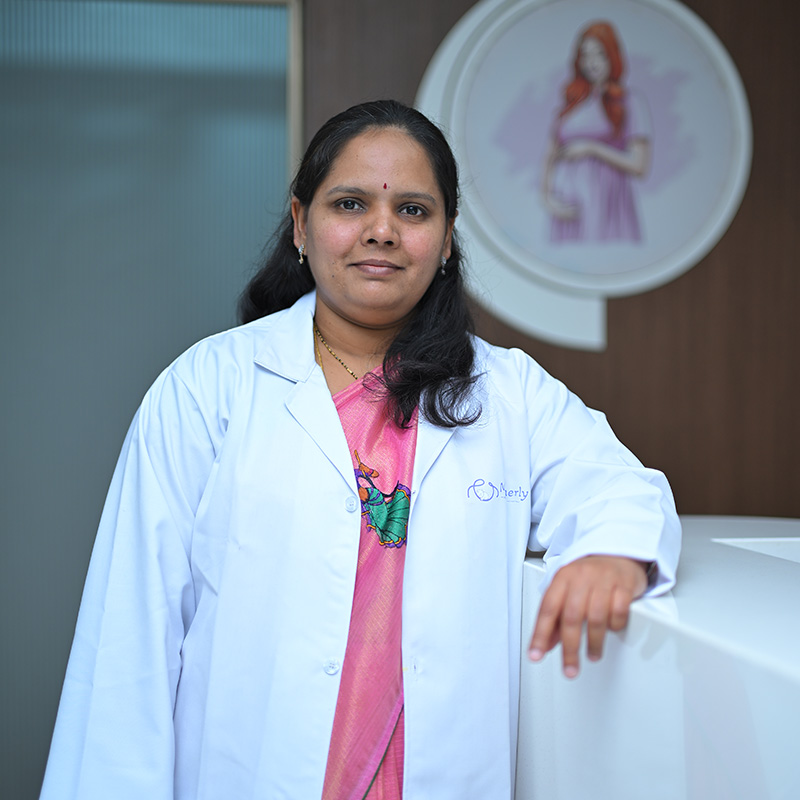
Dr. B. Tejaswi Prabhanjana
Consultant Obstetrician and Gynaecologist
M.S (OBG)

12 Years Experience

Telugu, English, Hindi
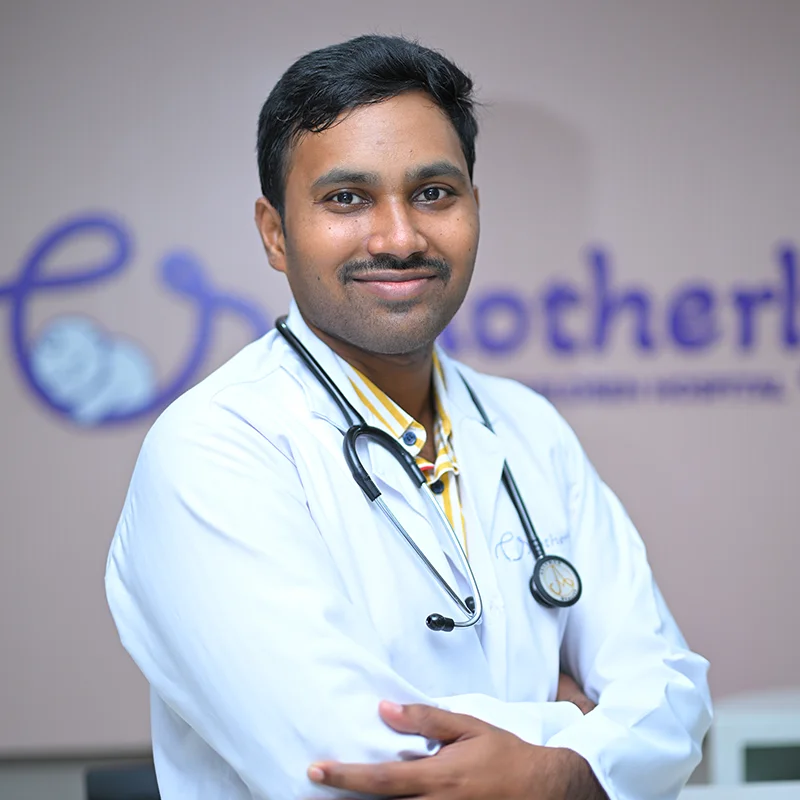
Dr. Sudheer Kumar Palla
Consultant Pediatric Cardiologist & Intensivist
MBBS, MD
Telugu, English

Dr. Suguna Deepti Kapila
Consultant Gynaecologist & Laparoscopic Surgeon
MBBS, M.S(OBG), MRCOG(UK) , FMAS, Diploma in Cosmetic Gynaecology & Functional Medicine
9 Years Experience
English, Telugu, Hindi, Kannada, Oriya, Tulu
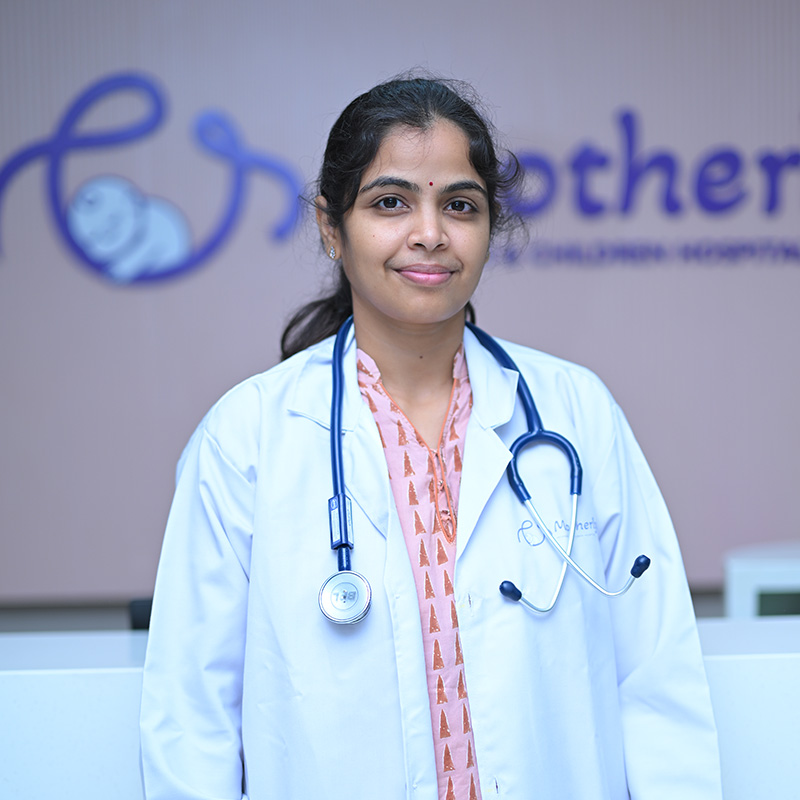
Dr. M. Harika Bindu
Consultant Anaesthesiologist
MD (Anaesthesia) – PGIMER
4 Years Experience
Telugu, English, Hindi

Dr. Aruna
Consultant Pathologist
MBBS, MD (Pathology)
9 Years Experience
English, Telugu
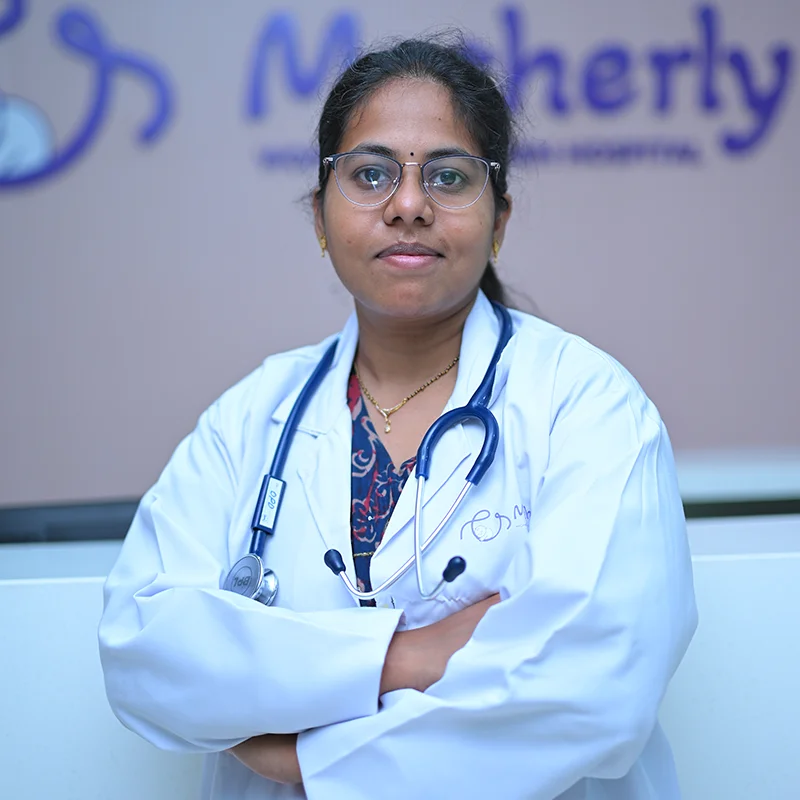
Dr. Dasari Supriya
Consultant Pediatrician and Neonatologist
MBBS, DCH, DNB Pediatrics, Fellowship in Neonatology
5 Years Experience
Telugu, English, Hindi, Tamil, Kannada
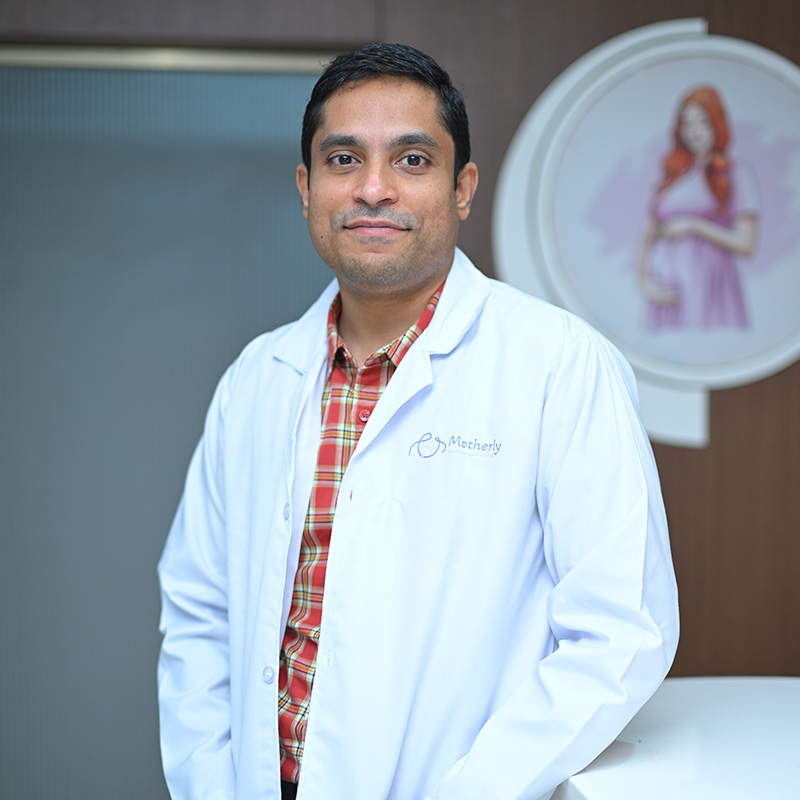
Dr. B. Murali Santosh
Consultant Pediatrician and Neonatologist
MBBS, DNB Pediatrics, Fellowship in Neonatology, Gold Medalist
16 Years Experience
Telugu, English, Hindi, Tamil

Dr. Karri Swamy
Consultant Radiologist
MBBS, DNB
12 Years Experience
Telugu, English
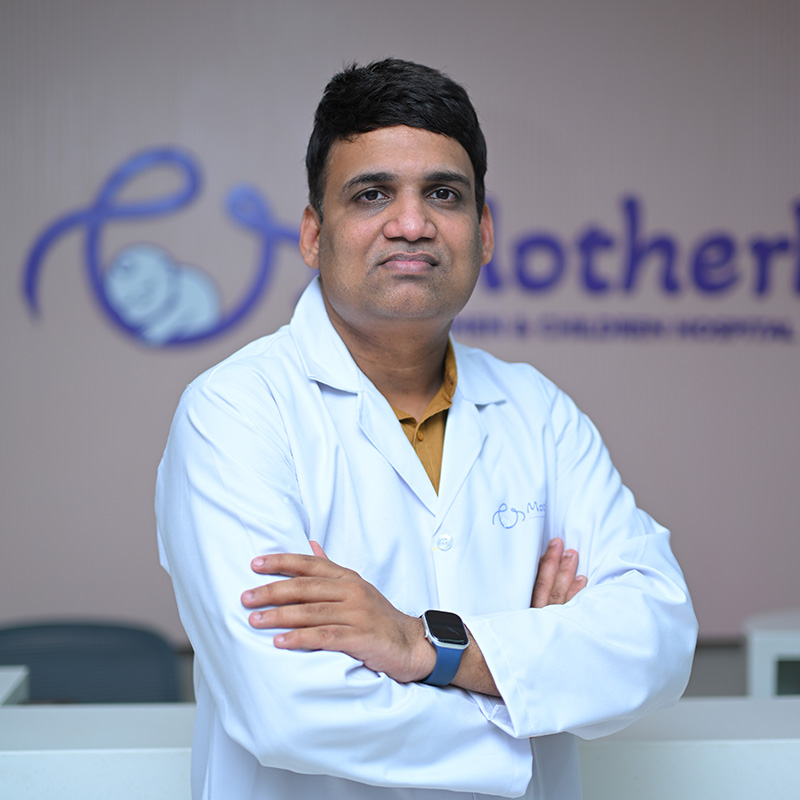
Dr. Ch. Phani Krishna
Consultant Pediatrician
MBBS, MD
14 Years Experience
Telugu, English
When Is Digestive Care an Emergency?
Some symptoms require immediate medical attention rather than a routine appointment.
Seek urgent medical care if a child has:
- Severe or rapidly worsening abdominal pain
- Persistent vomiting
- Blood in vomit
- Significant blood in stool
- Severe dehydration
- Abdominal swelling with severe pain
- Loss of consciousness
- Severe weakness
- Difficulty breathing along with digestive symptoms
Parents should not attempt to manage potentially serious symptoms at home without medical assessment.
Why Choose Motherly Hospital for Pediatric Care?
Motherly Women & Children Hospital is a dedicated women and children’s healthcare facility in Visakhapatnam. The hospital’s published pediatric services include general pediatrics, neonatology, pediatric surgery, pediatric nephrology, pediatric critical care, and other pediatric subspecialties.
Motherly also describes pediatric surgical services that include gastrointestinal surgeries for conditions such as hernias, appendicitis, and intestinal obstruction, along with neonatal and infant surgery and minimally invasive pediatric procedures.
The hospital provides:
- Pediatric healthcare
- Neonatal care
- PICU services
- Pediatric surgical support
- Diagnostic facilities
- Emergency and critical care
- Multispecialty pediatric support
Motherly’s website lists pediatricians and neonatologists including Dr. B. Murali Santosh and Dr. Dasari Supriya, as well as other pediatric specialists.
For families looking for a pediatric gastroenterologist in Vizag, the availability of coordinated pediatric, surgical, diagnostic, neonatal, and intensive-care services can be particularly useful when a child’s digestive condition requires broader medical support.
What Parents Should Bring to the Appointment
Before visiting a specialist, parents can prepare useful information such as:
- Previous medical reports
- Blood and stool test results
- Ultrasound or scan reports
- Medication list
- Allergy history
- Vaccination records when relevant
- Growth records
- Details of bowel movements
- Food and symptom patterns
Keeping a simple symptom diary can also help.
Record:
- When symptoms occur
- What the child ate
- Stool frequency and appearance
- Vomiting episodes
- Pain location
- Fever
- Weight changes
This information can make the consultation more productive.
Supporting Your Child's Digestive Health at Home
Parents can encourage healthy digestive habits by promoting:
Balanced Nutrition : Offer a varied diet appropriate for the child’s age.
Adequate Fluids : Encourage regular water intake, especially during hot weather or illness.
Fiber : Age-appropriate fruits, vegetables, and whole grains can support healthy bowel function.
Regular Toilet Habits : Children should be encouraged to respond to the urge to use the bathroom rather than repeatedly holding stool.
Physical Activity : Regular age-appropriate physical activity supports overall health and bowel function.
Avoid Unnecessary Self-Medication : Do not repeatedly give laxatives, antidiarrheal medicines, antibiotics, or other medications without medical advice.
Choosing the Right Pediatric Gastroenterology Care in Vizag
Searching for a pediatric gastroenterologist in Vizag should involve more than simply comparing names online.
Parents should consider:
- Pediatric specialization
- Experience with children’s digestive conditions
- Diagnostic facilities
- Nutritional support
- Pediatric emergency services
- Surgical backup when required
- NICU/PICU availability for complex cases
- Communication with parents
- Child-friendly care
The right care should focus on accurate diagnosis rather than simply treating symptoms.
Comprehensive Pediatric Digestive Care at Motherly Hospital
- Motherly Hospital is committed to providing comprehensive care for women and children in Vizag. Its pediatric department is supported by pediatric subspecialties, neonatal care, pediatric intensive care, diagnostic services, and pediatric surgical capabilities.
- Parents looking for a pediatric gastroenterologist in Vizag can discuss their child’s symptoms with the pediatric care team and determine whether specialist gastroenterology evaluation is appropriate.
- Persistent digestive symptoms should never be ignored, particularly when they affect a child’s growth, nutrition, sleep, school attendance, or everyday activities.
Give Your Child the Right Digestive Care
- Digestive health plays an important role in childhood growth and development. Occasional stomach problems are common, but persistent abdominal pain, vomiting, constipation, diarrhea, feeding difficulties, poor weight gain, or other unusual symptoms deserve appropriate medical attention.
- A pediatric gastroenterologist in Vizag can help identify the underlying cause, recommend appropriate investigations, and develop a treatment plan suited to the child’s age and condition.
- At Motherly Women & Children Hospital, families have access to comprehensive pediatric healthcare, advanced infrastructure, pediatric subspecialties, and critical-care support in Visakhapatnam.
- If your child is experiencing ongoing digestive problems, consult a qualified pediatric healthcare professional rather than relying on repeated self-treatment. Early assessment can help protect nutrition, growth, comfort, and long-term health.
Schedule Visit
FAQs
1. What does a pediatric gastroenterologist treat?
Digestive, liver, nutritional, and gastrointestinal problems in children.
2. When should my child see a specialist?
For persistent stomach pain, vomiting, diarrhea, constipation, or poor growth.
3. Can constipation need specialist care?
Yes, especially when it is chronic or recurrent.
4. What causes frequent stomach pain in children?
Constipation, infections, food intolerance, reflux, and other conditions.
5. Can food allergies affect digestion?
Yes, they may cause vomiting, diarrhea, or abdominal pain.
6. What tests may be required?
Blood tests, stool tests, ultrasound, or other investigations.
7. Can digestive problems affect growth?
Yes, chronic digestive issues can affect nutrition and growth.
8. Is frequent vomiting concerning?
Yes, persistent vomiting should be medically evaluated.
9. Can children have liver problems?
Yes, some liver conditions can occur during childhood.
10. Why choose Motherly Hospital?
Motherly Hospital provides comprehensive pediatric care and specialized diagnostic and treatment support.
prenatal & postnatal care
painless delivery
C-section
High-Risk Obstetrics
Multiple pregnancy
Fetal scans
Our Process

consultation
Expert gynecologists and paediatricians provide personalized consultations for accurate diagnosis and tailored treatment.

Schedule Date & Time
Plan your visit with ease! Check our schedule and book your appointment at Motherly Women and Children Hospital

Treatment & Care
Comprehensive treatment plans with 24/7 doctor availability for continuous monitoring and expert care.

Follow-Up & Recovery
Regular follow-ups to track recovery, provide guidance, and ensure the best health outcomes for mothers and children.

Our family-centered approach to healthcare ensures that each member of your family receives personalized attention.
Quick Links
Services
- Pediatrics
- Gynecology & Obstetrics
- Neonatology
Contact Details
- +91 8500563789
- motherlyhospital@gmail.com
- D.no 15-1-1/1, Nowroji Road, Daspalla Hills Maharanipeta, Visakhapatnam 530002
© 2026 Motherly. All Rights Reserved | Designed & Developed by Vibrantbranding